

Homemade dairy
Homemade plain yogurt with live cultures
Make plain yogurt at home with milk and live-culture yogurt. Follow heating, incubation and chilling temperatures, with step photos and no gelatin.
Collections
Yogurt for breakfast, fresh cheese for an arepa, butter for toast or condensed milk for dessert: these 13 everyday dairy preparations are made for home kitchens. Discover fresh cheeses and practical basics with equipment and waiting times clearly explained.
Choose according to your ingredients. Yogurt needs live cultures; cuajada and mozzarella need rennet; butter needs cream with enough fat. Each recipe explains suitable milk, yield, cooling and storage. Use pasteurized milk and a thermometer whenever specified.
Selected by chef Néstor Bastidas

Plain yogurt ferments with live cultures at a controlled temperature; Greek-style yogurt drains in the refrigerator. Suero costeño uses a different mesophilic starter, controlled temperature and draining in the fridge.
Make plain yogurt at home with milk and live-culture yogurt. Follow heating, incubation and chilling temperatures, with step photos and no gelatin.
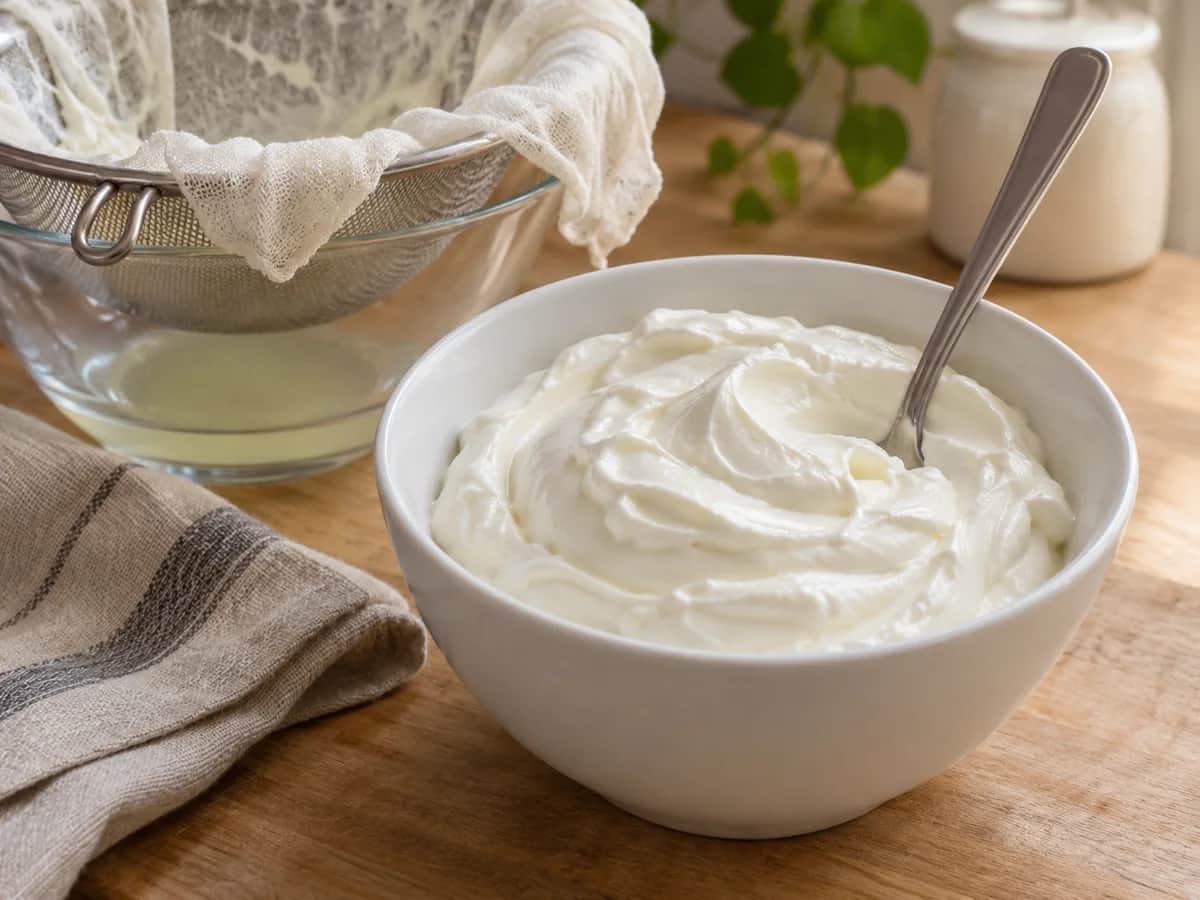
Turn plain yogurt into thick Greek-style yogurt without thickeners. Photos show refrigerator straining, approximate yield and practical ways to use the whey.

Make fermented Colombian suero costeño with pasteurized milk. Step photos cover the starter, temperature, draining and cold storage for a creamy savory sauce.
White fresh cheese, cuajada, mozzarella, whole-milk ricotta and cream cheese. Setting, draining and stretching are different techniques: follow the milk, rennet and temperature instructions.
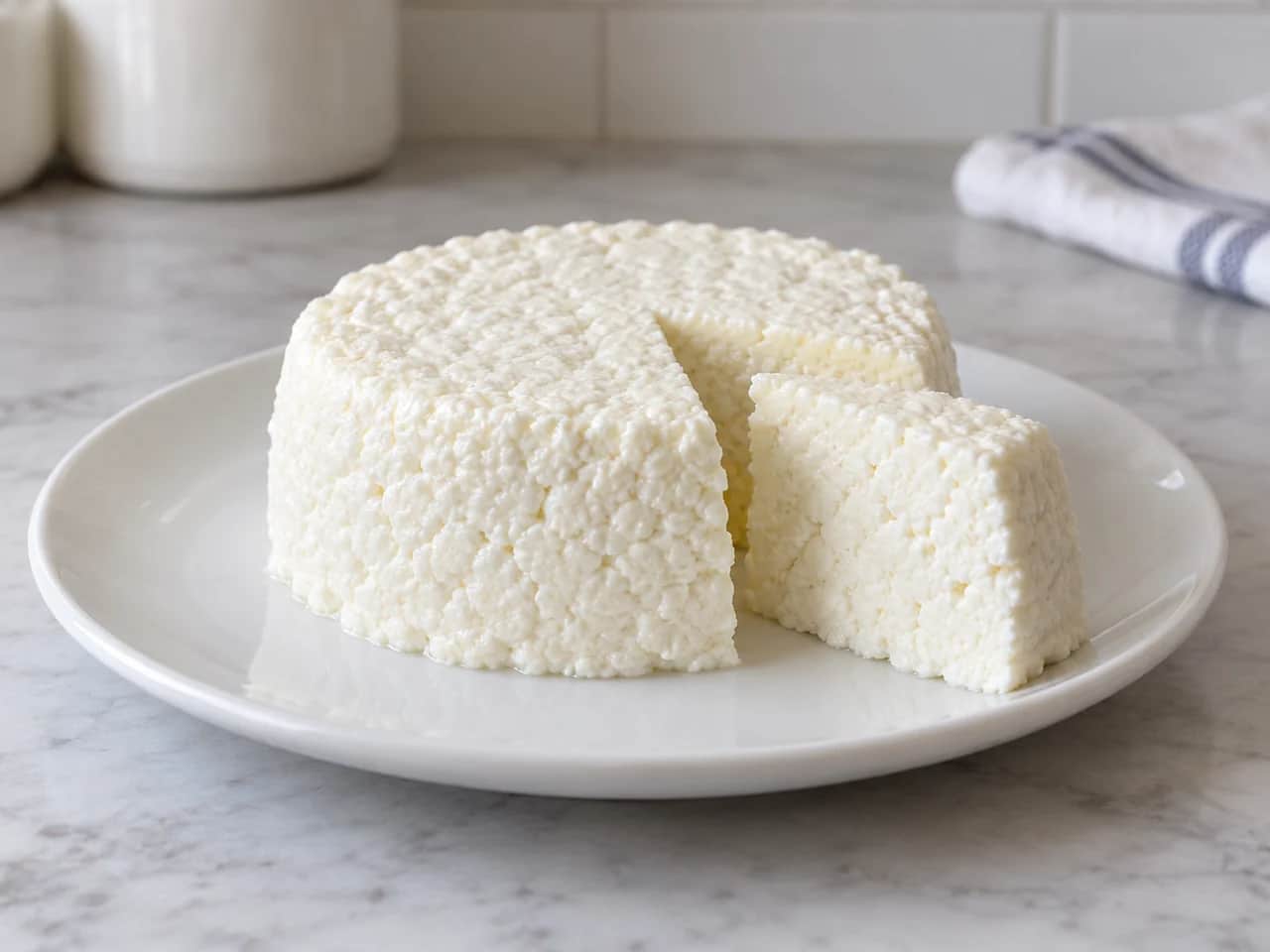
Pasteurized milk, vinegar and salt: fresh white cheese with draining, chilling and weighed portions.
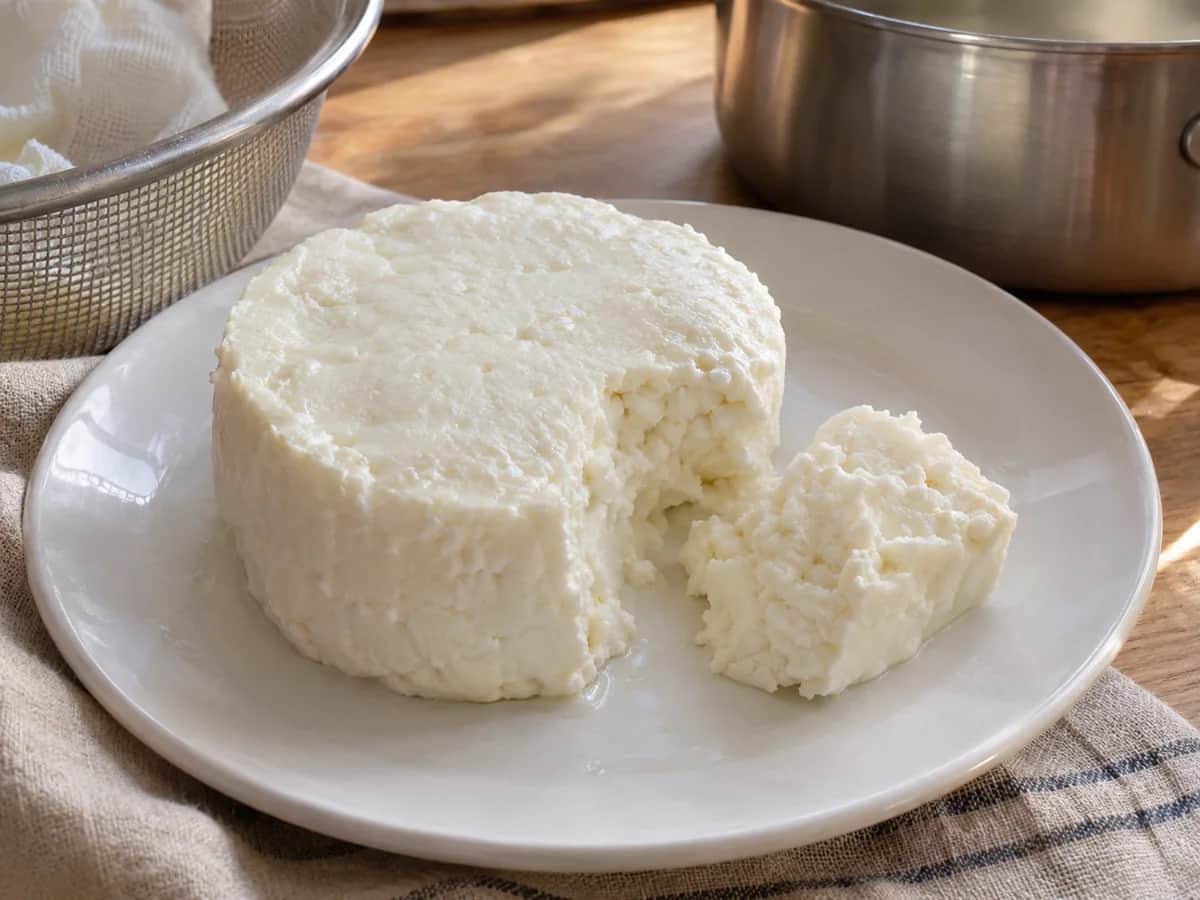
Make soft cuajada with pasteurized milk and rennet. Photos show setting, cutting and draining, with a concentration-specific dose, yield and cold storage.
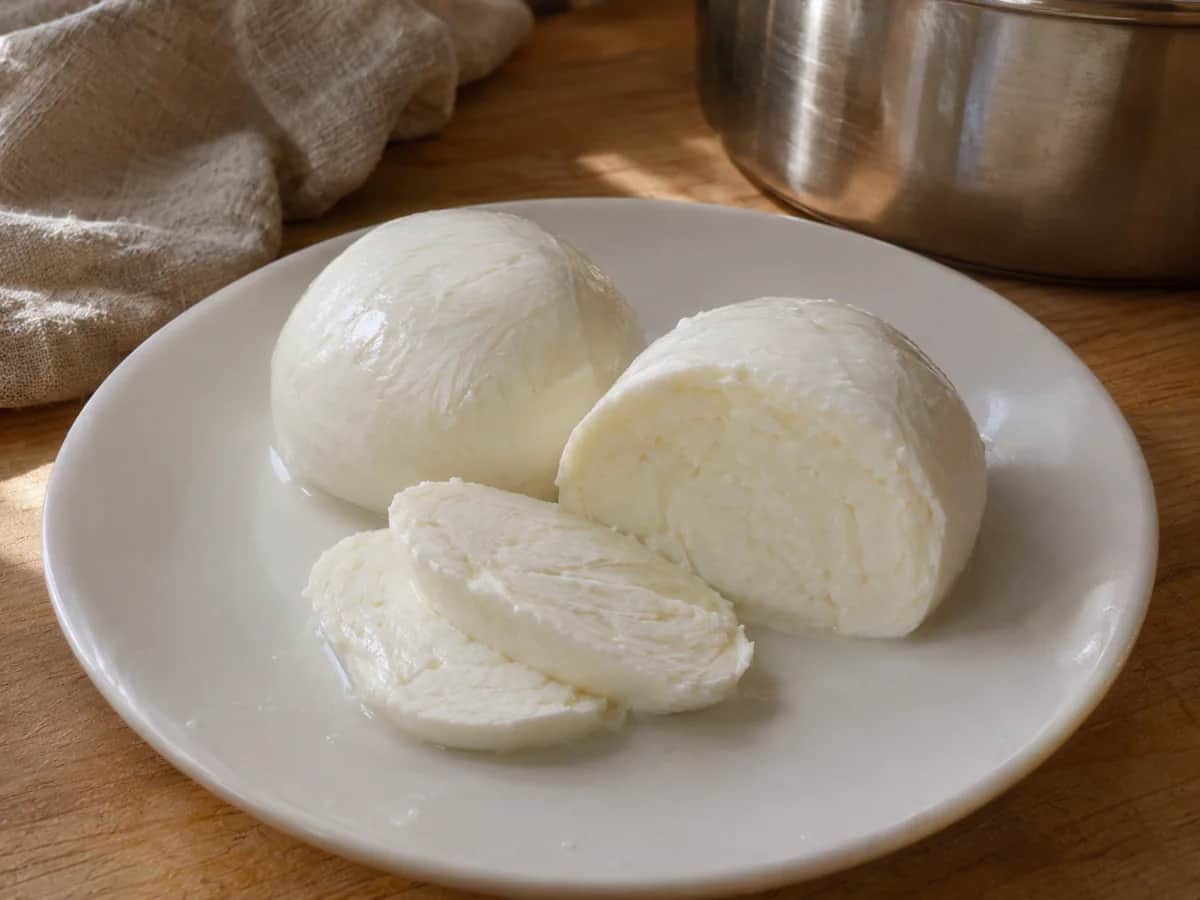
Make fresh mozzarella with rennet and citric acid. Six photo steps explain milk choice, setting and stretching temperatures, cooling and troubleshooting.
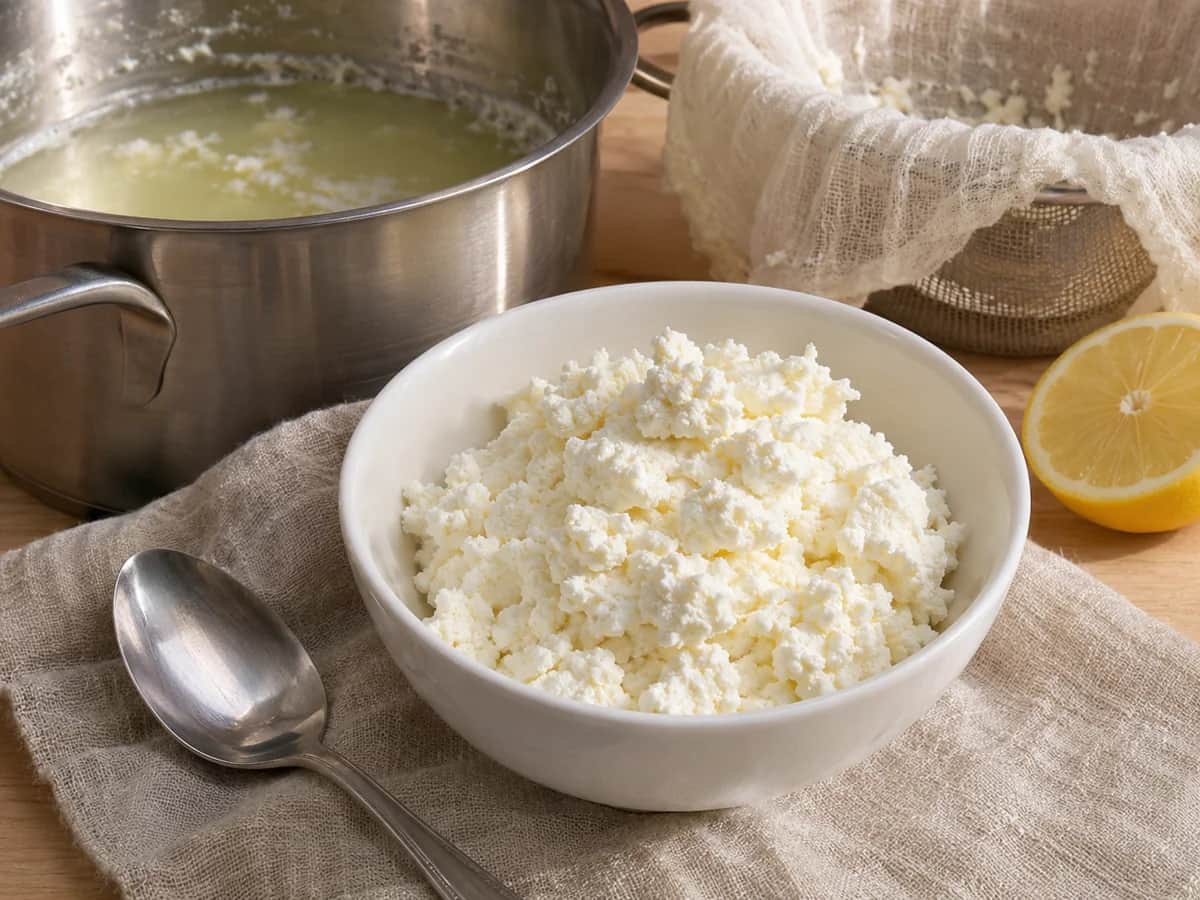
Make soft whole-milk ricotta with lemon juice for fillings and breakfasts. Photos explain curd formation, gentle draining, approximate yield and cold storage.
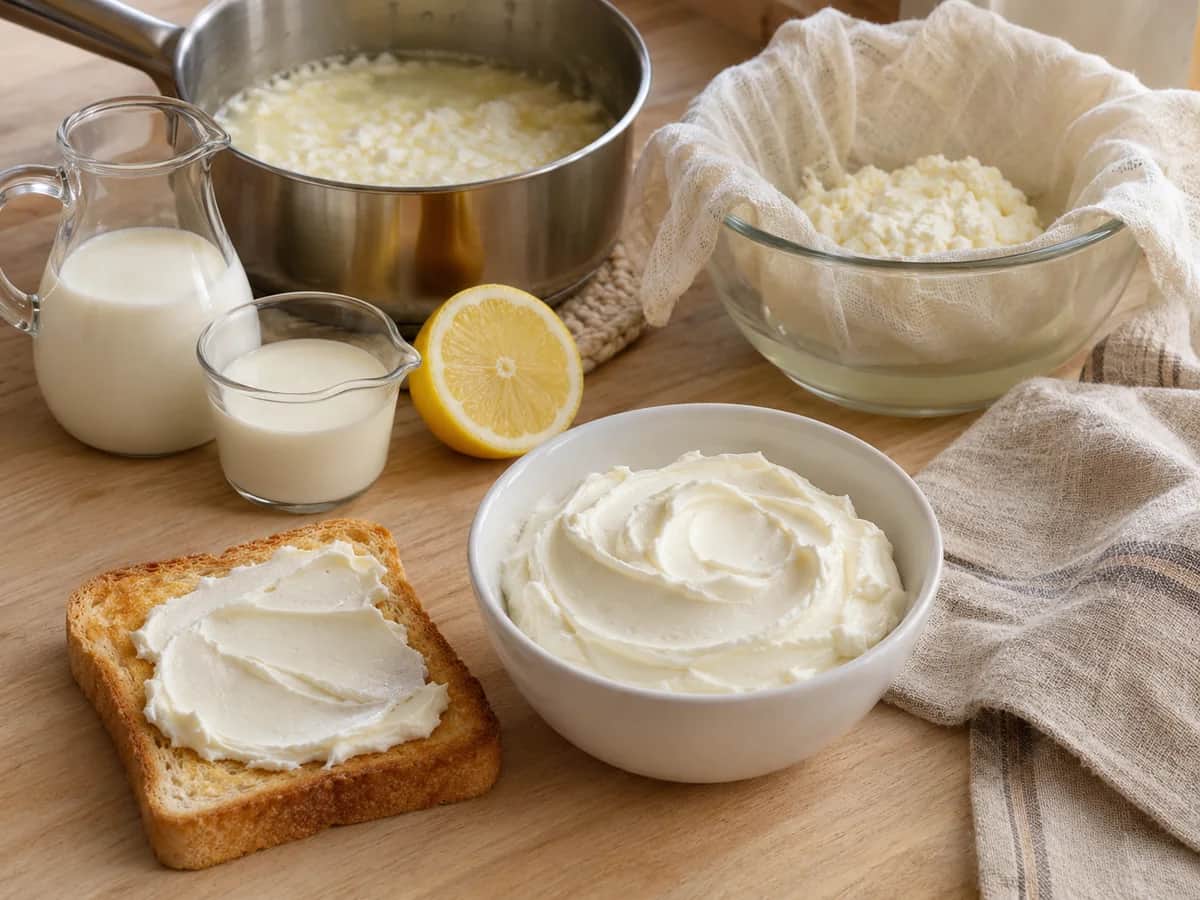
Make quick spreadable cream cheese with milk, cream and lemon. Photos show setting, draining and blending, with texture tips and refrigerator storage.
Butter starts with cream. Evaporated milk reduces without sugar, while sweetened condensed milk contains added sugar. Finish with Colombian arequipe and manjar blanco.
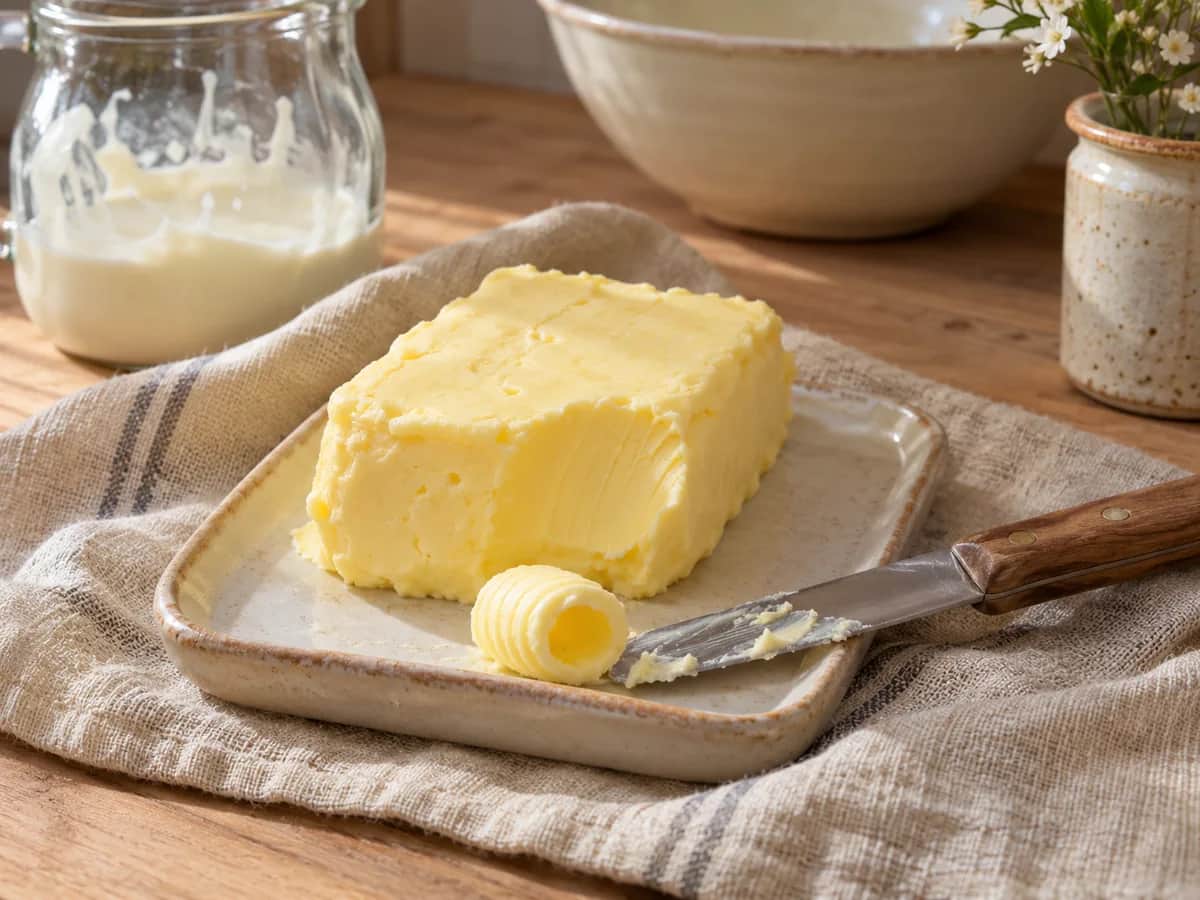
Make butter at home with cream containing at least 35% fat. Step photos show whipping, draining and washing, with storage advice and uses for the liquid.
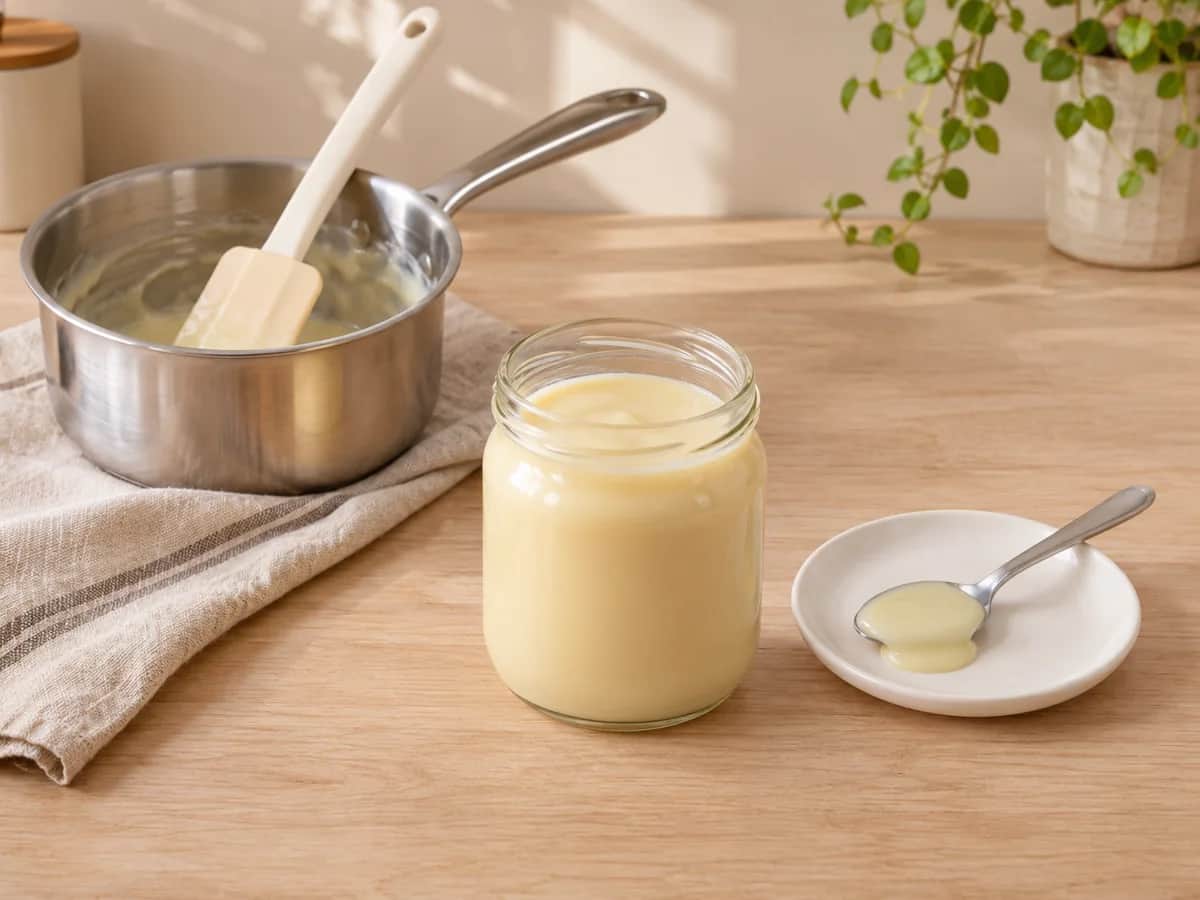
Make sweetened condensed milk with whole milk and sugar. Step photos explain reduction, thickness, approximate yield and refrigerator storage for desserts.
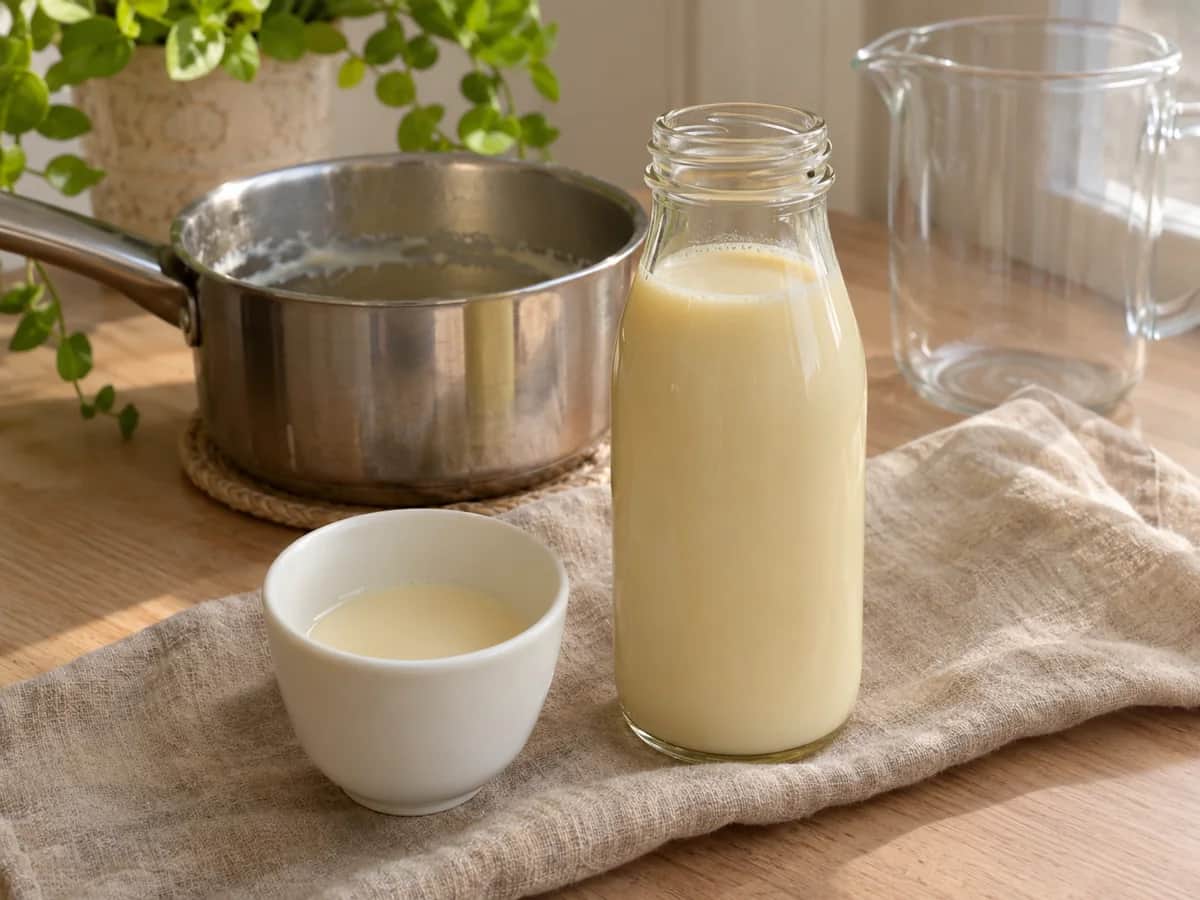
Make evaporated milk by gently reducing whole milk without sugar. Photos explain final volume, cooking time and cold storage for sauces, soups and desserts.
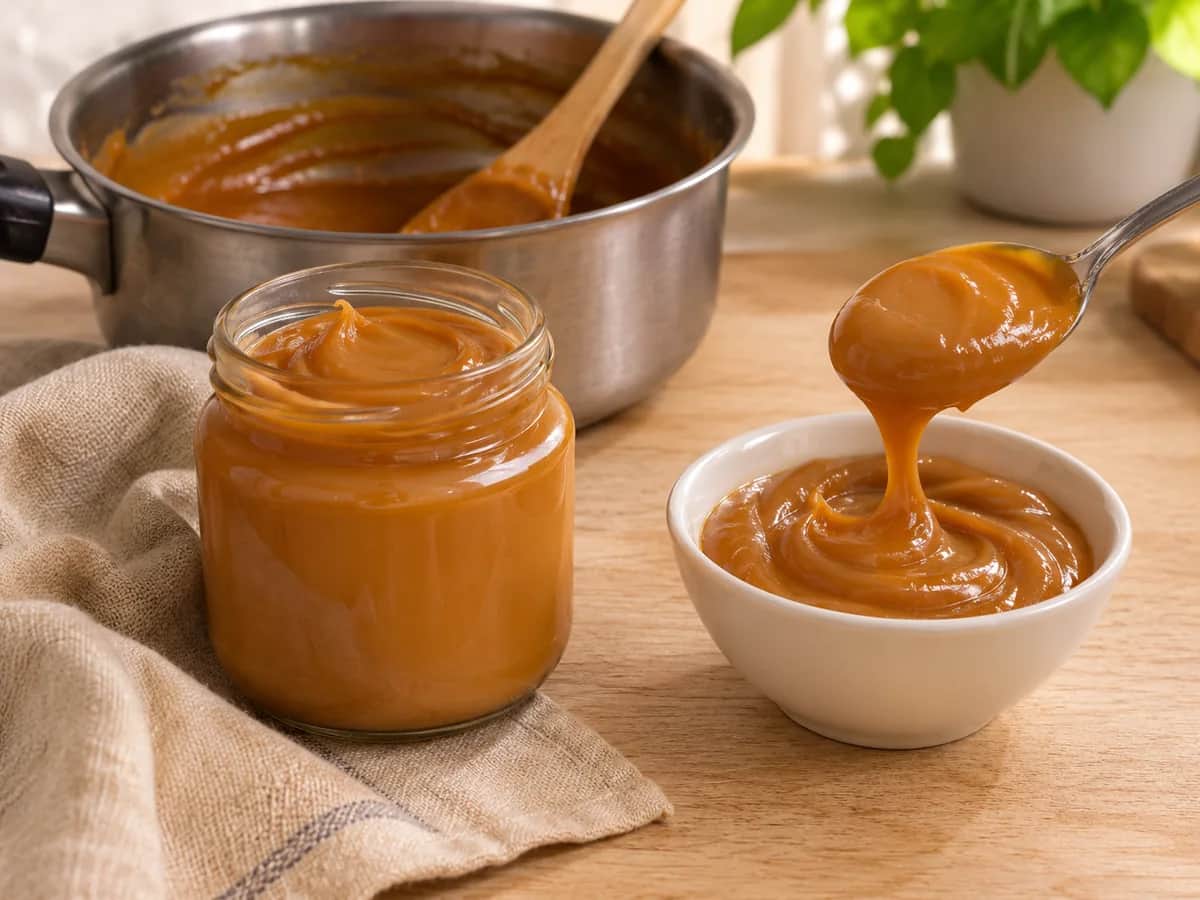
Make Colombian arequipe from milk and sugar without cooking cans. Photos show color and thickness, approximate yield and refrigerated storage guidance.

Manjar blanco from Colombia’s Valle del Cauca is milk, sugar and rice slowly reduced to a thick beige sweet. It joins buñuelos and natilla on December tables; rice sets it apart from dulce de leche.
It is a common Spanish name for sweetened condensed milk. This is a homemade recipe, not a branded formula. Evaporated milk is different: it is concentrated without added sugar.
No. Butter needs sufficiently fatty cream. Yogurt needs live cultures, while cuajada and mozzarella use rennet. UHT milk can suit some methods but is unsuitable for the mozzarella recipe here.
It depends on the method. Rennet-cheese whey differs in acidity and composition from lemon-set cheese whey and yogurt whey. It cannot replace milk or cream for making butter. Recipes explain the liquid produced and its storage.
These are not shelf-stable preserves. Cool and refrigerate as each recipe directs, at 4 °C or below. Use sanitized equipment and pasteurized milk. Sugar or a closed lid does not make a homemade dairy preserve shelf-stable.